This site is dedicated to engaging the core issues associated with numerous health deficiencies. At Master Fitness 21 we understand the importance of holistic living and the manner in which physical health directly impacts spiritual health. Whether you need to lose weight, improve your nutritional intake or learn about natural healing alternatives, this is the one stop solution to a healthier you.
Wasting money is the worst, and wasting food is a close second. By now, we’ve all probably heard that god-awful stat about Americans wasting some 40 percent of their food. But when that fruit or bread starts to grow hairy mold faster than what seems like the speed of light, it’s a fate that can be difficult to avoid.
Still, I’m trying to do better, both for the sake of my wallet and the environment. So I called up Kathleen Riggs, a food preservation and food safety expert at Utah State University’s Iron County Extension. I wanted to get her take on why some of my everyday staples start to go south so fast, plus the steps I could take to try slowing the spoilage process. Here's what I learned.
PIN IT
Berries
You know how this goes. You bring home a box of jewel-like raspberries or strawberries (with a price tag to match) from the market. By the next day, half of them have already started to turn moldy and mushy.
Why They Go Bad So Fast
Berries are moist, delicate fruits, and when they’re packed tightly in a small clamshell or container, it’s easy for mold to spread from one berry to the next and for spoilage-speeding moisture to get trapped.
How to Slow the Spoilage
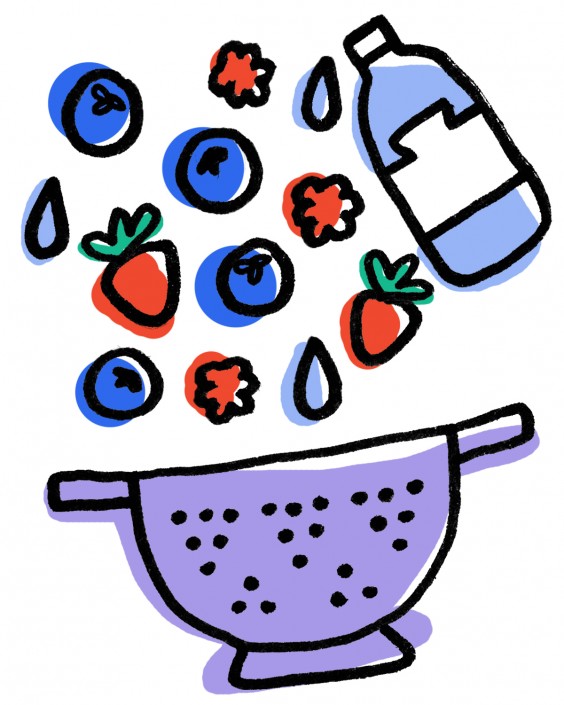
Gently examine your berries and get rid of any moldy ones as soon as you bring them home. To kill off any lingering mold, give them a quick soak in a 3:1 solution of water and white vinegar, Riggs says. Dry them thoroughly with a paper towel or a salad spinner, and store them in a container with plenty of air circulation, like a colander. The one exception? Raspberries. Get rid of moldy ones ASAP, but don’t rinse them until right before eating. “They have a hollow center, and moisture can get trapped in there if you rinse them before,” Riggs says.
PIN IT
Bread
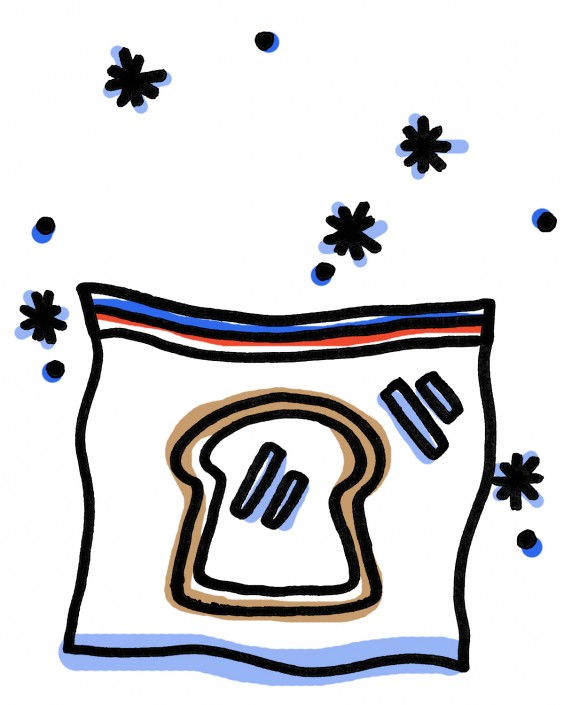
Those squishy white loaves that are loaded with preservatives will stay good for quite a while. But the artisan loaf from the farmer’s market you paid twice as much for? Within a few days, it’ll have mold spores, Jackson Pollock-style, all over the surface.
Why It Goes Bad So Fast
Mold loves warm, moist environments—which is exactly what you get when you place bread in a bag and put it in a semi-warm spot, like your kitchen counter, Riggs says. Plus, many loaves contain ingredients, like milk, that just don’t last long at room temperature.
How to Slow the Spoilage
Slice off the part of the loaf you plan to eat within a day or two and let that hang out in its packaging on the counter. (If you notice moisture forming in the bag, open it to let it breathe, Riggs says.) And if you spot a little bit of mold anyway? As long as you’re healthy, slice off the mold, cutting at least an inch around, and eat. “Mold spores, even though you can’t see them, usually extend at least an inch,” Riggs says. (If you have a sensitive stomach or a compromised immune system, you’re better off tossing it.)
As for the rest of the bread? Wrap it well (try foil or plastic wrap), seal in a zip-top bag, and stick it in the freezer. When you’re ready to eat more, let it thaw and toast it up, Riggs says. It won’t be quite as delicious, but it beats stale, moldy bread.
Bagged salad greens always have an expiration date that seems far off. And yet half the leaves in the bag or box are already soggy and stinky the minute you open it up.
Why They Go Bad So Fast
Just like with berries, moisture is to blame. It ends up getting trapped in the airtight packaging, turning leaves slimy and brown, Riggs says.
How to Slow the Spoilage
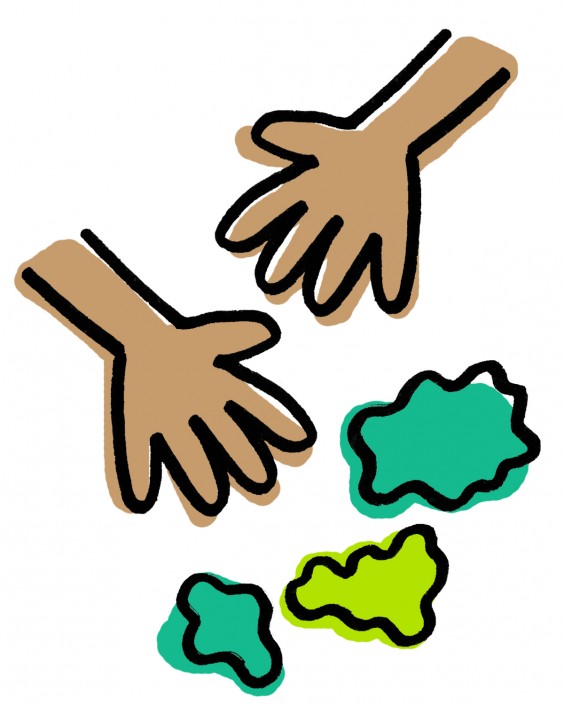
When you get home, open up those bags or boxes ASAP. “Take the greens out of the package, rinse them, and dry them well. Then roll them in paper towels and stick them in a fresh bag,” Riggs says. Leaving the paper towels in place will help sop up additional moisture, keeping your greens drier—and fresher—for longer.
Another tip: If your bagged greens aren’t chopped (like a head of lettuce) and you want to pre-chop them to save time, tear the leaves with your hands instead of chopping them with a knife. “The cut parts react with the knife’s stainless steel blade, and they start to oxidize and turn brown,” Riggs says.
Unless you’re making guac for a crowd, it’s tough to use a whole avocado at once. But whatever you end up storing in the fridge for later usually starts to turn a sickly shade of brown within a few hours.
Why It Goes Bad So Fast
When you slice into an avocado, the surface is exposed to oxygen and starts to turn brown, Riggs says. “The same happens with apples and bananas. It’s just a given.”
How to Slow the Spoilage
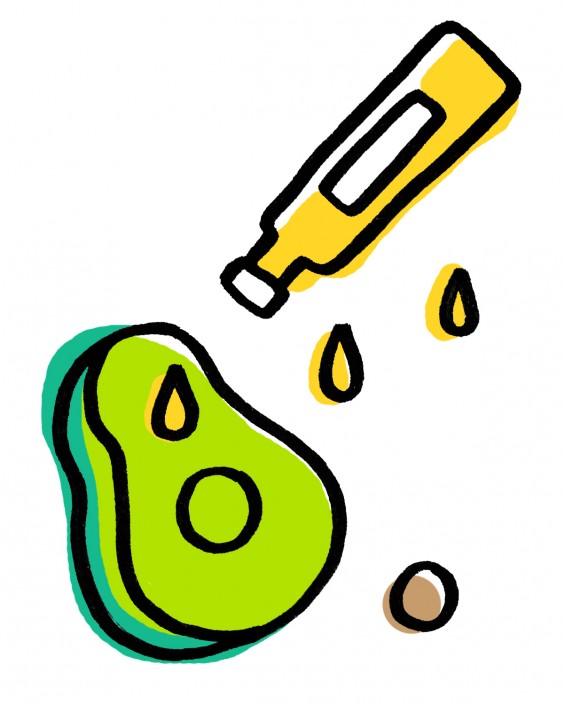
Forget leaving the pit intact (does precisely nothing) or rubbing the surface of the avocado flesh with lemon juice (works but barely). Instead, rub the surface of the avocado flesh with a thin layer of olive oil, put the avocado in a sealed bag, and stick it in the fridge. “The olive oil creates a barrier, so the avocado flesh is exposed to less air,” Riggs says. If you still spot some brown when you’re ready to eat the avocado, just scrape it off with a spoon. Unless the avocado is overripe, it’ll still be green underneath, Riggs says.
It’s a sad day when you open up that half-eaten pint of premium ice cream only to find that the surface is covered in ice crystals.
Why It Goes Bad So Fast
Ice crystal-y ice cream isn’t actually spoiled, Riggs says. It’s just covered in a layer of unappetizing frost that forms because of—you guessed it—too much moisture. “Ice crystals will form in frozen foods that are in a container where there’s air space when the container isn’t completely full,” she says. “Moisture tries to evaporate while it’s freezing, and it gets trapped.”
How to Slow the Spoilage
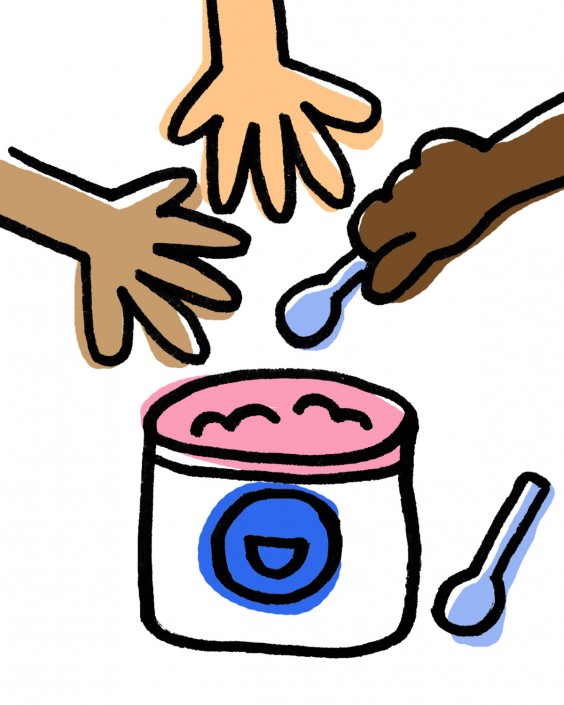
Try covering the surface of your ice cream with a layer of freezer paper before putting the lid back on. Freezer paper has a plastic underside that acts like a barrier to prevent moisture loss, explains Riggs. (You can find freezer paper at most supermarkets, near the parchment paper and tin foil.) That can help stop water from evaporating out of your ice cream and forming crystals on the surface. Or just invite some friends over to polish off the pint in one go, so you don’t have to worry about sticking it back in the freezer.
Beginning around age 30, a man’s testosterone levels begin to decline, and continue to do so as he ages, leading to symptoms such as decreased sex drive, erectile dysfunction, depressed mood, and difficulties with concentration and memory
Dietary and exercise changes, particularly limiting sugar/fructose, eating healthy saturated fats and engaging in high-intensity exercises and strength training, can be very effective at boosting testosterone levels naturally
Other strategies to boost testosterone include optimizing your vitamin D levels and reducing stress
The Importance of Testosterone to Male Health
Testosterone, a hormone produced primarily by the testicles, is often associated with the epitome of "manhood" (although women have testosterone, too).
Indeed, it does play a large role in male sexuality and reproduction, impacting such factors as sexual and reproductive function, muscle mass, and hair growth, but also has some less "flashy," albeit equally important, roles like maintaining bone density, levels of red blood cells and a sense of well-being.
Beginning around age 30, a man's testosterone levels begin to decline and continue to do so as he ages.
A wide range of chemical exposures included prescribed drugs like statins, adversely impact testosterone production in men. At the same time, estrogen levels typically increase due to widespread exposures to estrogen-mimicking compounds in food, water, and environmental pollutants.
What are Your Options for Replacement?
If you're a man who's experiencing symptoms such as decreased sex drive, erectile dysfunction, depressed mood, and difficulties with concentration and memory, and you think low testosterone may be to blame, you can have your levels tested. Since testosterone levels fluctuate throughout the day, you'll probably need more than a blood test to get a true picture of your levels.
If your levels are indeed low, there are a number of synthetic and bioidentical testosterone products on the market, as well as DHEA, which is the most abundant androgen precursor prohormone in the human body, meaning that it is the largest raw material your body uses to produce other vital hormones, including testosterone in men and estrogen in women.
I only recommend using bioidentical hormones, and only then under the guidance of a holistic doctor who can monitor your hormone levels to ensure you need supplementation.
But, before you opt for this route, there are numerous strategies you can try to boost your testosterone levels naturally. These are appropriate for virtually anyone, as they carry only beneficial "side effects."
9 Ways to Naturally Increase Testosterone Levels
1.Lose Weight
If you're overweight, shedding the excess pounds may increase your testosterone levels, according to research presented at the Endocrine Society's 2012 meeting. Overweight men are more likely to have low testosterone levels to begin with, so this is an important trick to increase your body's testosterone production when you need it most.
If you are serious about losing weight, you have got to strictly limit the amount of processed sugar in your diet, as evidence is mounting that excess sugar, and fructose in particular, is the primary driving factor in the obesity epidemic. So cutting soda from your diet is essential, as is limiting fructose found in processed foods, fruit juice, excessive fruit and so-called "healthy" sweeteners like agave.
Ideally, you should keep your total fructose consumption below 25 grams per day and this includes fruits. This is especially true if you have insulin resistance and are overweight, have high blood pressure, diabetes or high cholesterol.
In addition to eliminating or severely limiting fructose, it will be vital to eliminate all grains and milk (even raw) in your diet. Milk has a sugar called lactose, which has been shown to increase insulin resistance so it will be wise to avoid it if you are seeking to lose weight.
Refined carbohydrates like breakfast cereals, bagels, waffles, pretzels, and most other processed foods also quickly break down to sugar, increase your insulin levels, and cause insulin resistance, which is the number one underlying factor of nearly every chronic disease and condition known to man, including weight gain.
As you cut these dietary troublemakers from your meals, you need to replace them with healthy substitutes like vegetables and healthy fats (including natural saturated fats!). Your body prefers the carbohydrates in micronutrient-dense vegetables rather than grains and sugars because it slows the conversion to simple sugars like glucose, and decreases your insulin level. When you cut grains and sugar from your meals, you typically will need to radically increase the number of vegetables you eat, as well as make sure you are also consuming protein and healthy fats regularly.
I've detailed a step-by-step guide to this type of healthy eating program in my comprehensive nutrition plan, and I urge you to consult this guide if you are trying to lose weight.
The foods you choose to eat will be the driving force behind successfully achieving your weight loss goals -- high-intensity, short-burst-type exercises, such as my Peak Fitness Program, two to three times per week, combined with a comprehensive fitness plan, is important too, and has an additional benefit as well (see below)!
2.High-Intensity Exercise like Peak Fitness (Especially Combined with Intermittent Fasting)
Both intermittent fasting and short intense exercise have been shown to boost testosterone.
That's unlike aerobics or prolonged moderate exercise, which have shown to have negative or no effect on testosterone levels.
Intermittent fasting boosts testosterone by increasing the expression of satiety hormones including insulin, leptin, adiponectin, glucagon-like peptide-1 (GLP-1), cholecystokinin (CKK) and melanocortins, all of which are known to potentiate healthy testosterone actions, increase libido and prevent age-related testosterone decline.
Having a whey protein meal after exercise can further enhance the satiety/testosterone-boosting impact (hunger hormones cause the opposite effect on your testosterone and libido). Here's a summary of what a typical high-intensity Peak Fitness routine might look like:
Warm up for three minutes
Exercise as hard and fast as you can for 30 seconds. You should feel like you couldn't possibly go for another few seconds
Recover at a slow to moderate pace for 90 seconds
Repeat the high-intensity exercise and recovery 7 more times
As you can see, the entire workout is only 20 minutes. Twenty minutes! That really is a beautiful thing. And within those 20 minutes, 75 percent of that time is warming up, recovering or cooling down. You're really only working out intensely for four minutes. It's hard to believe if you have never done this that you can actually get that much benefit from four minutes of exercise. That's all it is.
Keep in mind that you can use virtually any type of equipment you want for this – an elliptical machine, a treadmill, swimming, even sprinting outdoors (although you will need to do this very carefully to avoid injury) -- as long as you're pushing yourself as hard as you can for 30 seconds. But do be sure to stretch properly and start slowly to avoid injury. Start with two or three repetitions and work your way up, don't expect to do all eight repetitions the first time you try this, especially if you are out of shape.
You can find more information about this in an article previously written on intermittent fasting.
3.Consume Plenty of Zinc
The mineral zinc is important for testosterone production, and supplementing your diet for as little as six weeks has been shown to cause a marked improvement in testosterone among men with low levels.1 Likewise, research has shown that restricting dietary sources of zinc leads to a significant decrease in testosterone, while zinc supplementation increases it2 -- and even protects men from exercise-induced reductions in testosterone levels.3
It's estimated that up to 45 percent of adults over the age of 60 may have lower than recommended zinc intakes; even when dietary supplements were added in, an estimated 20-25 percent of older adults still had inadequate zinc intakes, according to a National Health and Nutrition Examination Survey.4
Your diet is the best source of zinc; along with protein-rich foods like meats and fish, other good dietary sources of zinc include raw milk, raw cheese, beans, and yogurt or kefir made from raw milk. It can be difficult to obtain enough dietary zinc if you're a vegetarian, and also for meat-eaters as well, largely because of conventional farming methods that rely heavily on chemical fertilizers and pesticides. These chemicals deplete the soil of nutrients ... nutrients like zinc that must be absorbed by plants in order to be passed on to you.
In many cases, you may further deplete the nutrients in your food by the way you prepare it. For most food, cooking it will drastically reduce its levels of nutrients like zinc … particularly over-cooking, which many people do.
If you decide to use a zinc supplement, stick to a dosage of less than 40 mg a day, as this is the recommended adult upper limit. Taking too much zinc can interfere with your body's ability to absorb other minerals, especially copper, and may cause nausea as a side effect.
4.Strength Training
In addition to Peak Fitness, strength training is also known to boost testosterone levels, provided you are doing so intensely enough. When strength training to boost testosterone, you'll want to increase the weight and lower your number of reps, and then focus on exercises that work a large number of muscles, such as deadlifts or squats.
You can "turbo-charge" your weight training by going slower. By slowing down your movement, you're actually turning it into a high-intensity exercise. Super Slow movement allows your muscle, at the microscopic level, to access the maximum number of cross-bridges between the protein filaments that produce movement in the muscle.
5.Optimize Your Vitamin D Levels
Vitamin D, a steroid hormone, is essential for the healthy development of the nucleus of the sperm cell, and helps maintain semen quality and sperm count. Vitamin D also increases levels of testosterone, which may boost libido. In one study, overweight men who were given vitamin D supplements had a significant increase in testosterone levels after one year.5
Vitamin D deficiency is currently at epidemic proportions in the United States and many other regions around the world, largely because people do not spend enough time in the sun to facilitate this important process of vitamin D production.
So the first step to ensuring you are receiving all the benefits of vitamin D is to find out what your levels are using a 25(OH)D test, also called 25-hydroxyvitamin D.
A few years back, the recommended level was between 40 to 60 nanograms per milliliter (ng/ml), but more recently the optimal vitamin D level has been raised to 50-70 ng/ml.
To get your levels into the healthy range, sun exposure is the BEST way to optimize your vitamin D levels; exposing a large amount of your skin until it turns the lightest shade of pink, as near to solar noon as possible, is typically necessary to achieve adequate vitamin D production. If sun exposure is not an option, a safe tanning bed (with electronic ballasts rather than magnetic ballasts, to avoid unnecessary exposure to EMF fields) can be used.
As a last resort, a vitamin D3 supplement can be taken orally, but research suggests the average adult needs to take 8,000 IU's of vitamin D per day in order to elevate their levels above 40 ng/ml, which is the absolute minimum for disease prevention.
6.Reduce Stress
When you're under a lot of stress, your body releases high levels of the stress hormone cortisol. This hormone actually blocks the effects of testosterone,6 presumably because, from a biological standpoint, testosterone-associated behaviors (mating, competing, aggression) may have lowered your chances of survival in an emergency (hence, the "fight or flight" response is dominant, courtesy of cortisol).
In the modern world, chronic stress, and subsequently elevated levels of cortisol could mean that testosterone's effects are blocked in the long term, which is what you want to avoid.
My favorite overall tool to manage stress is EFT (Emotional Freedom Technique), which is like acupuncture without the needles. It's a handy, free tool for unloading emotional baggage quickly and painlessly, and so easy that even children can learn it. Other common stress-reduction tools with a high success rate include prayer, meditation, laughter, and yoga, for example. Learning relaxation skills, such as deep breathing and positive visualization, which is the "language" of the subconscious.
When you create a visual image of how you'd like to feel, your subconscious will understand and begin to help you by making the needed biochemical and neurological changes.
7.Limit or Eliminate Sugar from Your Diet
Testosterone levels decrease after you eat sugar, which is likely because the sugar leads to a high insulin level, another factor leading to low testosterone.7
Based on USDA estimates, the average American consumes 12 teaspoons of sugar a day, which equates to about TWO TONS of sugar during a lifetime.
Why we eat this much sugar is not difficult to understand -- it tastes good, and it gives us pleasure by triggering an innate process in your brain via dopamine and opioid signals.
What it is doing to us on both a physical and emotional level is another story entirely, and most people stand to reap major improvements in their health by cutting back on, or eliminating, sugar altogether from their diets. Remember foods that contain added sugar and fructose, as well as grains like bread and pasta, should all be limited.
If you're struggling with sugar addiction and having trouble dealing with cravings, I highly recommend trying an energy psychology technique called Turbo Tapping, which has helped many "soda addicts" kick their sweet habit, and it should work for any type of sweet craving you may have.
8.Eat Healthy Fats
By healthy, this means not only mon- and polyunsaturated fats, like that found in avocadoes and nuts, but also saturated, as these are essential for building testosterone. Research shows that a diet with less than 40 percent of energy as fat (and that mainly from animal sources, i.e. saturated) lead to a decrease in testosterone levels.8
My personal diet is about 60-70 percent healthy fat, and other experts agree that the ideal diet includes somewhere between 50-70 percent fat.
It's important to understand that your body requires saturated fats from animal and vegetable sources (such as meat, dairy, certain oils, and tropical plants like coconut) for optimal functioning, and if you neglect this important food group in favor of sugar, grains and other starchy carbs, your health and weight are almost guaranteed to suffer. Examples of healthy fats you can eat more of to give your testosterone levels a boost include:
9.Boost Your Intake of Branch Chain Amino Acids (BCAA) from Foods Like Whey Protein
Research suggests that BCAAs result in higher testosterone levels, particularly when taken along with resistance training.9 While BCAAs are available in supplement form, you'll find the highest concentrations of BCAAs like leucine in dairy products – especially quality cheeses and whey protein.
Even when getting leucine from your natural food supply, it's often wasted or used as a building block instead of an anabolic agent. So to create the correct anabolic environment, you need to boost leucine consumption way beyond mere maintenance levels.
That said, keep in mind that using leucine as a free form amino acid can be highly counterproductive as when free form amino acids are artificially administrated, they rapidly enter your circulation while disrupting insulin function, and impairing your body's glycemic control. Food-based leucine is really the ideal form that can benefit your muscles without side effects.
Throughout human history, salt derived from the ocean or rock salt beds has been exceptionally important. It has even been used as a form of currency by many cultures. True salt contains over 80 minerals and trace elements, many of which are vital for good health, even in very small amounts.
Mineral stripped sodium chloride on the other hand has had all of these trace elements removed in processing it into the unnatural white substance in most people’s kitchens.
Heated to up to 1200 degrees Fahrenheit and treated with chemicals like caustic soda, regular table salt often also has anti-caking agents, potassium iodide and aluminum derivatives added to it.
Most people in the USA and other Western cultures have more than double the American Heart Association’s recommended 1500 mg a day of sodium.
Excessive table salt consumption is strongly associated with high blood pressure, kidney disease, cardiovascular damage and an increased risk of heart attack and stroke.
Too much sodium chloride in your food can also lead to hypertension, fluid retention, osteoporosis and liver and thyroid problems. There’s much more on this in The Healthiest Type of Salt and Why It’s So Important.
Himalayan Crystal Salt for Better Health
While it definitely makes sense to use all kinds of salt sparingly, true sea salt is a far better choice for you and your family’s health than sodium chloride.
Even better still is Himalayan crystal salt, an extremely pure and mineral rich kind of salt laid down millions of years ago when the oceans were unpolluted.
With up to 84 minerals and trace elements that your body needs, it is a beautiful pink color and makes for a much healthier replacement to commercial salt.
Himalayan crystal salt is a very different kind of salt to industrially produced sodium chloride.
It is hand mined in the Himalayan Mountains from ancient deposits and is guaranteed to be free of additives, unlike what’s currently in most people’s salt shaker.
Switching to a healthier kind of salt adds over 80 minerals and important trace elements to your diet and may reduce your risk of many serious diseases.
It’s still a good idea to reduce your intake of sodium, especially from processed foods, but switching to Himalayan crystal salt is a simple and beneficial change to make in your diet.
About 30% of Americans suffer from anxiety. But only about a third of people with it are getting help. It comes mainly from medications that carry serious side effects...like depression and hallucinations.
The good news is it’s easy to treat naturally. And it all starts with your diet.
Here are five foods that help reduce anxiety:
1. Blueberries: These have a higher score on the ORAC (oxygen radical absorbance capacity) scale than almost any other fruit. This means more antioxidants to fight off free radicals. One study found patients reduced their anxiety in just six weeks by eating blueberries.
They also help lower blood sugar. This is important. An imbalance of blood sugar levels disrupts your brain’s neurotransmitters. A study found diabetics had up to 20% more anxiety. Researchers also found anxiety to be a symptom of hypoglycemia.
Just make sure to buy them organic whenever possible. You may be able to find them frozen if your grocer doesn’t carry them fresh.
2. Turkey: You’re aware of the infamous sleep aid tryptophan... But it doesn’t just make us sleepy. It keeps us calm by releasing serotonin. That’s the “feel good” chemical. A two-week study concluded tryptophan can help reduce social anxiety.
It’s also a good source of B vitamins and protein. Not having enough vitamin B prevents neurotransmitters from regulating your mood. And a lack of protein stops the development of neurotransmitters. Both can lead to nervous disorders like anxiety.
Look for pastured varieties of turkey. If you can’t find it in stores, try your local farmer’s market. Free-range organic turkey is a great second choice.
3. Spinach: It’s high in magnesium—a mineral most people aren’t getting enough of. A deficiency can cause anxiety. In fact, several studies found getting more magnesium can help reduce anxiety. It also helps fight depression. About 50% of people suffering from depression are also diagnosed with anxiety.
Spinach contains a high dose of folic acid. It helps with the synthesis of homocysteine. This process aids in mood regulation. Some studies show up to 38% of people with depression have low levels of folic acid. And another study found that when patients received this compound, their depression decreased by 93%. Be sure to buy organic spinach whenever possible.
4. Almonds: This is another great source of protein. They’re also rich in magnesium and calcium. These two important chemicals work together to support the nervous system. If you’re short on one, your mood can drop.
Almonds also give you high amounts of vitamin B2, iron, potassium, and zinc. They help regulate mood and lower the risks of anxiety. Your best bet is to try snacking on raw, organic almonds. You can also try adding them to a salad for extra texture and flavor.
5. Salmon: This freshwater fish is known for its omega-3 fatty acids. Researchers found high levels of omega-3 reduced depression symptoms by 53%. Salmon is another food packed with B vitamins, like niacin. It helps nerves to function properly.
This fish is also a good source of vitamin D3. Having adequate levels may help you fight off feelings depression that can come with anxiety. Aim for fresh, wild-caught salmon whenever you can. Avoid the farmed varieties.
Getting more of these foods into your diet may help calm your nerves—without the worry of harmful side effects. Try starting your day with a serving of blueberries. Almonds make a great mid-afternoon snack. Serving spinach along with turkey or salmon for dinner is a good way to double-down on natural antianxiety power.
This article was brought to you by Master Fitness 21 and the VTX-8 Fitness & Wellness Coaching program. To learn more, Click Here!

 Berries
 Bread
Bread